
How to Wash and Restore a Jellycat: The Complete UK Care Guide 2026
You know that feeling. The Jellycat that has been dragged everywhere, slept on every night, dunked in the paddling pool once, and possibly introduced to several meals has reached a point where something must be done about it.about it.
Every parent who owns a Jellycat eventually faces this moment. And every parent who has ever searched 'how to wash a Jellycat UK' has felt the same quiet anxiety. Because getting it wrong is not just an inconvenience. For many children, their Jellycat is irreplaceable. The thought of ruining it is genuinely stressful.
This complete guide gives you everything you need to wash, clean, restore, and care for your Jellycat correctly. We also cover the brand-new Jellycat Summer 2026 collection that just dropped andwhy buying a preloved Jellycat that is already clean and quality-checked from EcoKartUK is sometimes the smartest option of all.
Why Proper Jellycat Care Matters and What Goes Wrong
Jellycat has been creating premium soft toys in London since 1999, founded by brothers Thomas and William Gatacre. Their distinctive softness comes from a proprietary premium plush fabric combining exceptionally fine synthetic fibres with precision-cut pile length. This is what makes Jellycat feel unlike any other soft toy on the market.
It is also what makes washing them require more care than your average stuffed animal.
The most common Jellycat washing disasters are:
Permanent fur stiffening. Caused by heat. A tumble dryer or warm wash temperature above 30 degrees Celsius can permanently alter the fibre structure. The fur is set stiff,ff, and no amount of brushing fully restores it.
Matting and clumping. Full immersion without protection causes fibres to tangle. The ears on a bashful bunny are especially vulnerable to matting when submerged.
Stuffing displacement. Machine agitation can shift or compress the internal stuffing, changing the toy's shape and feel.
Colour fading. Direct sunlight during drying causes discolouration, particularly on pastel colourways.
Shape distortion. Wringing or pressing too firmly while wet stretches the fabric and deforms features.
Understanding why these things happen makes avoiding them straightforward.
Can You Put a Jellycat in the Washing Machine?
This is the question that brings more UK parents to search engines than almost any other Jellycat query.
The official Jellycat position is clear. Jellycat advises surface washing only for most of their range. Full immersion, including machine washing, risks damaging the delicate stuffing and affecting the plush texture that defines the brand.
However, the reality for many parents is that surface washing is not always sufficient. When a Jellycat needs a full clean, here is how to approach each option.
What the Care Label Actually Means
Every genuine Jellycat has a care label sewn into a seam. This label typically shows a hand wash symbol with a 30-degree temperature indicator and a crossed-out tumble dryer symbol. This translates as:
Hand wash acceptable at or below 30 degrees Celsius.
Do not tumble dry under any circumstances.
Do not dry clean.
Do not bleach.
The absence of a machine wash symbol is deliberate. It is not an oversight. Jellycat is specifically advising against machine washing even though many parents do it without obvious immediate damage. The long-term cumulative effect on fibre quality is the concern.
Machine Wash vs Surface Wash vs Hand Wash
| Method | Safety Level | Best For | Risk Level |
|---|---|---|---|
| Surface spot clean | Highest | Minor marks and everyday maintenance | Minimal |
| Hand wash below 30 degrees | Moderate | General cleaning when necessary | Low if done carefully |
| Machine wash cold gentle cycle | Lower | Emergency situations only | Moderate |
| Machine wash warm | Avoid entirely | Not recommended | High |
| Tumble dry | Never | Never | Permanent damage |
Step by Step: How to Surface Wash a Jellycat
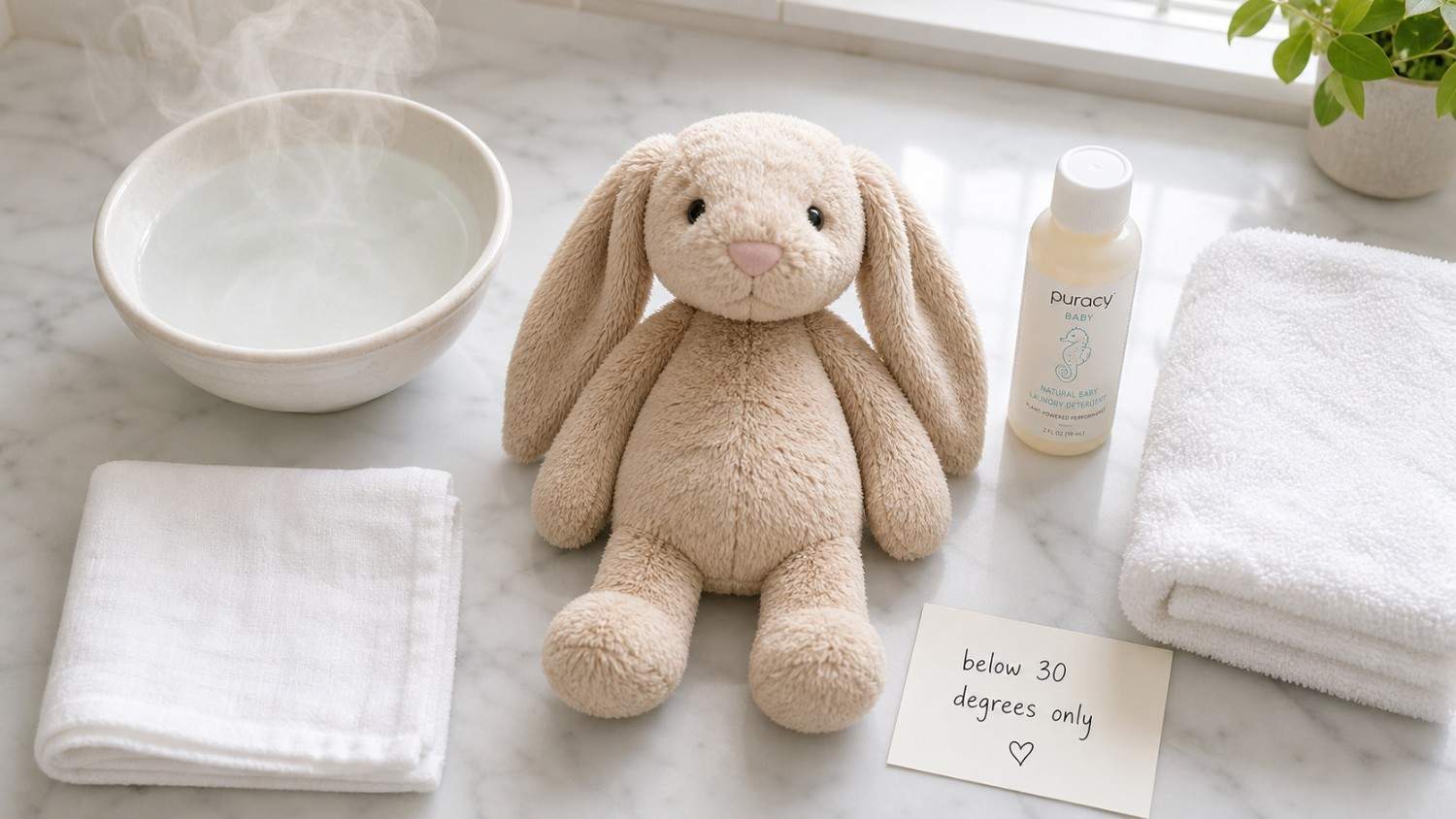
Surface washing is the method Jellycat recommends and the one that preserves your toy's condition longest. For most cleaning situations, this is all you need.
What you need:
A soft, clean cloth or flannel.
Lukewarm water, strictly below 30 degrees Celsius.
A small amount of mild, non-toxic detergent. Baby-safe washing liquid works well.
A dry towel.
The process:
Step 1. Dampen your cloth with lukewarm water and add a tiny amount of mild detergent. The cloth should be damp, not wet.
Step 2. Gently dab the affected area. Never rub. Rubbing works detergent into the fibres and causes matting.
Step 3. Work from the outside edge of any stain towards the centre to prevent spreading.
Step 4: Take a fresh damp cloth with clean water and dab the area again to remove any soap residue. Soap left in the fibres attracts dirt faster and can cause skin irritation for young children.
Step 5. Press a dry towel gently against the cleaned area to absorb excess moisture.
Step 6. Air dry completely in a cool, shaded, well-ventilated area. This is critical. Direct sunlight fades colour. Heat stiffens fibres.
Step by Step: How to Hand Wash a Jellycat
When surface washing is not sufficient and a full clean is needed, hand washing is the next safest option.
What you need:
A clean basin or sink.
Cold to lukewarm water, strictly below 30 degrees Celsius.
A mild detergent or baby-safe washing liquid.
Clean towels.
The process:
Step 1. Fill the basin with cool to lukewarm water. Do not use warm water even if it feels only slightly warm. Jellycat fibres are sensitive to temperature.
Step 2. Add a very small amount of mild detergent and mix gently until dissolved.
Step 3: Submerge the Jellycat gently. Do not agitate or scrub. Gently squeeze the toy repeatedly to work the soapy water through the fibres.
Step 4. Pay particular attention to high-contact areas: faces, hands, and feet. Use your fingertips to gently work through any dirty patches.
Step 5: Drain the soapy water and refill with clean cool water. Gently squeeze the JellyCat repeatedly to rinse out all soap. Repeat with fresh water until no soap remains.
Step 6. Do not wring. Instead, press the toy gently between two clean towels to remove excess water.
Step 7. Reshape immediately. Before drying, gently restore the toy to its correct shape, paying particular attention to ears on bunny designs.
Step 8. Air dry completely in a cool, shaded, ventilated area. This typically takes 12 to 24 hours depending on the size of the toy and ambient conditions.
How to Make Your Jellycat Fluffy Again After Washing
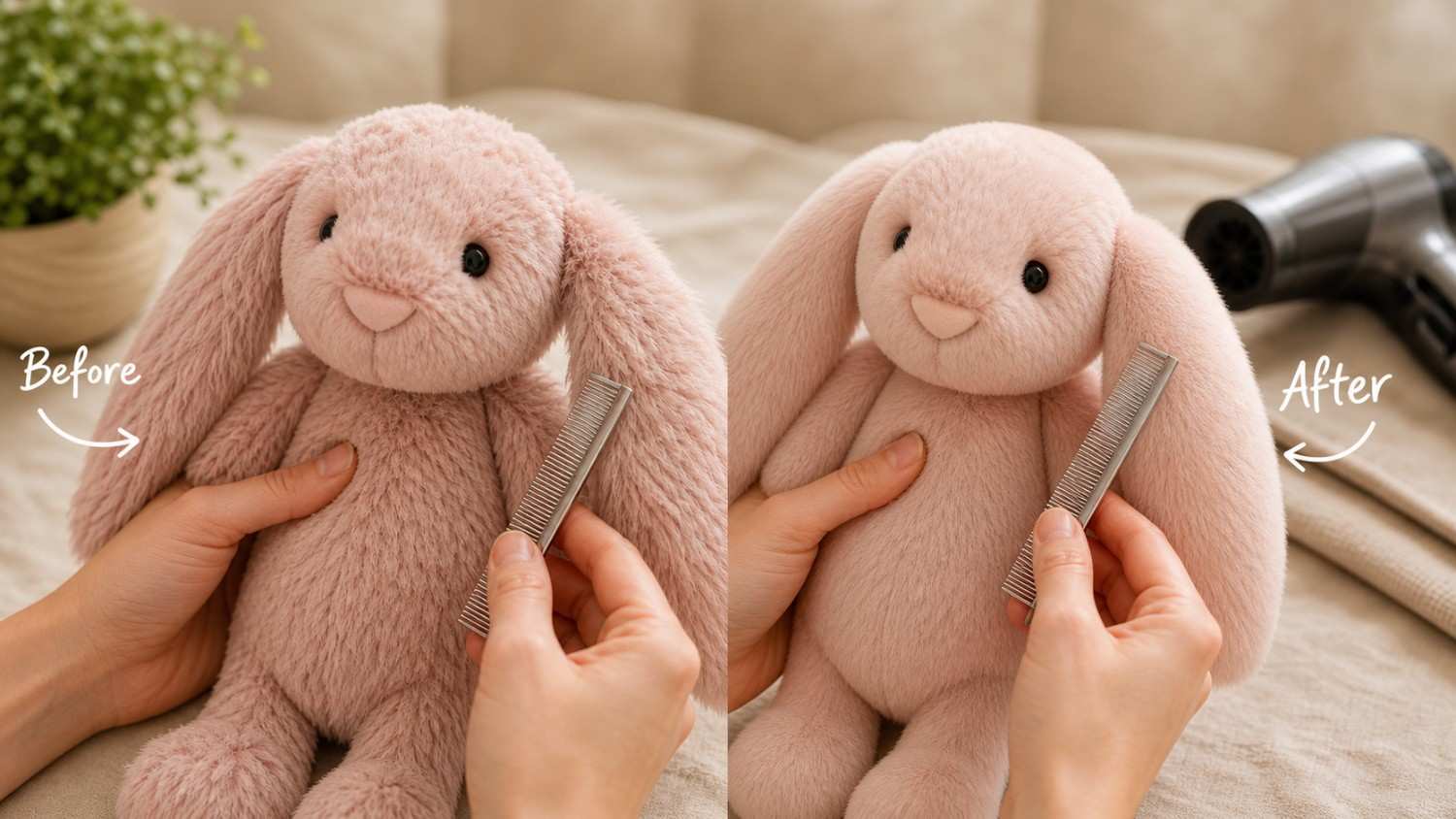
This is the question that generates the most relief when answered correctly. Jellycat fur goingg stiff after washing is an extremely common problem. The good news is that it is usually fixable if heat has not been applied.
The Cool Hairdryer and Fine-Tooth Comb Technique
This is the most effective method for restoring the Jellycatycat soft toy UK texture after washing.
What you need:
A hairdryer set to the coolest possible setting, ideally the cold shot button.
A fine-toothed comb or a pet slicker brush. A baby hairbrush also works well for delicate areas.
The process:
Step 1. Begin when the Jellycat is semi-dry, not completely dry. The fibres need a small amount of remaining moisture to respond to the technique.
Step 2. Set the hairdryer to its lowest, coolest setting. Hold it at least 20 centimetres from the toy's surface.
Step 3. Working in small sections, direct cool air at the fur while simultaneously combing through it it with your fine-toothed comb. Work in the direction of the fur growth.
Step 4: The cool air separates and lifts individual fibres while the comb prevents them from settling back into clumps.
Step 5: Continue section by section until the entire toy has been treated and feels fluffy and soft again.
Step 6. Allow to complete air-drying naturally before giving back to your child.
Drying Tips: What to Avoid
Never use a tumble dryer. This is non-negotiable. The heat permanently alters the synthetic fibre structure, and the stiffness it causes is irreversible.
Never dry in direct sunlight. UV exposure causes colour fading on all Jellycat colourways, particularly pastels.
Never use a heated airer or radiator. Even indirect heat causes stiffening.
Never use a warm or hot hairdryer setting. The cool setting only.
Never leave dampness. A damp Jellycat stored before fully dry will develop a mildew smell that is very difficult to remove.
How to Spot Clean Jellycat Stains
For everyday marks, accidents, and food stains, spot cleaning is the fastest and safest solution.
For food stains: Act quickly. A damp cloth with a tiny amount of washing-up liquid applied immediately removes most food stains before they set. Dab, never rub.
For muddy stains: Allow to dry completely first. Dried mud brushes away much more easily than wet mud, which spreads. Once dry, brush away the mud and then dab with a damp mild detergent cloth.
For sticky substances: A small amount of baby wipe or diluted white vinegar on a cloth can gently lift sticky residue. Test on a hidden seam area first.
For general greyness from repeated handling: A full hand wash following the method above is the most effective solution.
For smells without visible dirt, a light mist of fabric freshener safe for children, followed by thorough air drying in a ventilated space, usually resolves this without washing.
Can a Damaged Jellycat Be Repaired?
For minor damage, yes. Many beloved Jellycats can be restored at home.
Loose seams: A needle and thread using a ladder stitch closes seams invisibly. Work slowly and use thread that matches the toy's colour as closely as possible.
Small tears: The same ladder stitch technique applies. Re-stuff gently if any stuffing has escaped before closing.
Flattened stuffing: Carefully open a small seam, add a small amount of polyester toy stuffing, and close the seam again.
More significant damage: UK soft toy repair and restoration services exist for particularly beloved pieces. Search for 'soft toy hospitals' or 'toy restoration services UK'.
The pragmatic alternative: For damage that is difficult to repair, EcoKartUK frequently stocks the same design in very good condition at a fraction of the new replacement cost. Sometimes a quality-checked preloved replacement is the most practical and affordable solution.
Jellycat Summer 2026 Collection: New Designs Just Dropped
The Jellycat High Summer 2026 collection dropped on 12 May 2026, and the response from UK Jellycat enthusiasts has been exactly what you would expect. Immediate excitement, rapid sell-outs at the fastest-moving stockists, and intense social media activity.
Bartholomew Bear, Puddlesea Bunny and More
The Summer 2026 range introduces several new characters continuing Jellycat's beloved design language:
Bartholomew Bear. A new seasonal iteration of the beloved bear design, dressed in a nautical seafarer style appropriate for the High Summer theme.
Puddlesea Bunny. A new bunny character with summer coastal design elements. Already generating significant search volume for Jellycat's new designs in May 2026 in the UK.
Roarwell Sea Lion. An Amuseable-adjacent sea creature design with Jellycat's signature exaggerated features and comical charm.
Keli Pelican. A new bird character from the seasonal range. The beak design has attracted particular attention on social media.
Gobfrey Whale Shark. Continuing Jellycat's successful ocean creature series. Already being listed as a favourite Jellycat gift option for summer 2026 in the UK.
The Summer 2026 collection is available from official UK stockists, including Kismet Blackwood, which landed the collection on 12 May 2026; Maison White; Maple Gifts; and Paper Tiger.
Sold Out Already? Try Preloved at EcoKartUK
Jellycat Summer collections sell out rapidly at official stockists. The combination of viral social media attention and limited supply from the 2025 independent stockist changes means popular summer 2026 designs will disappear from shelves quickly.
When they sell out, pre-loved is often the only option. As collectors and parents rotate their Jellycat collections, Summer 2026 designs begin appearing on platforms like EcoKartUK within weeks of the official launch. Quality checked, condition graded, and priced significantly below the panic-purchase premium that appears on less regulated platforms.
Why Buy a Preloved Jellycat That Is Already Clean and Checked?
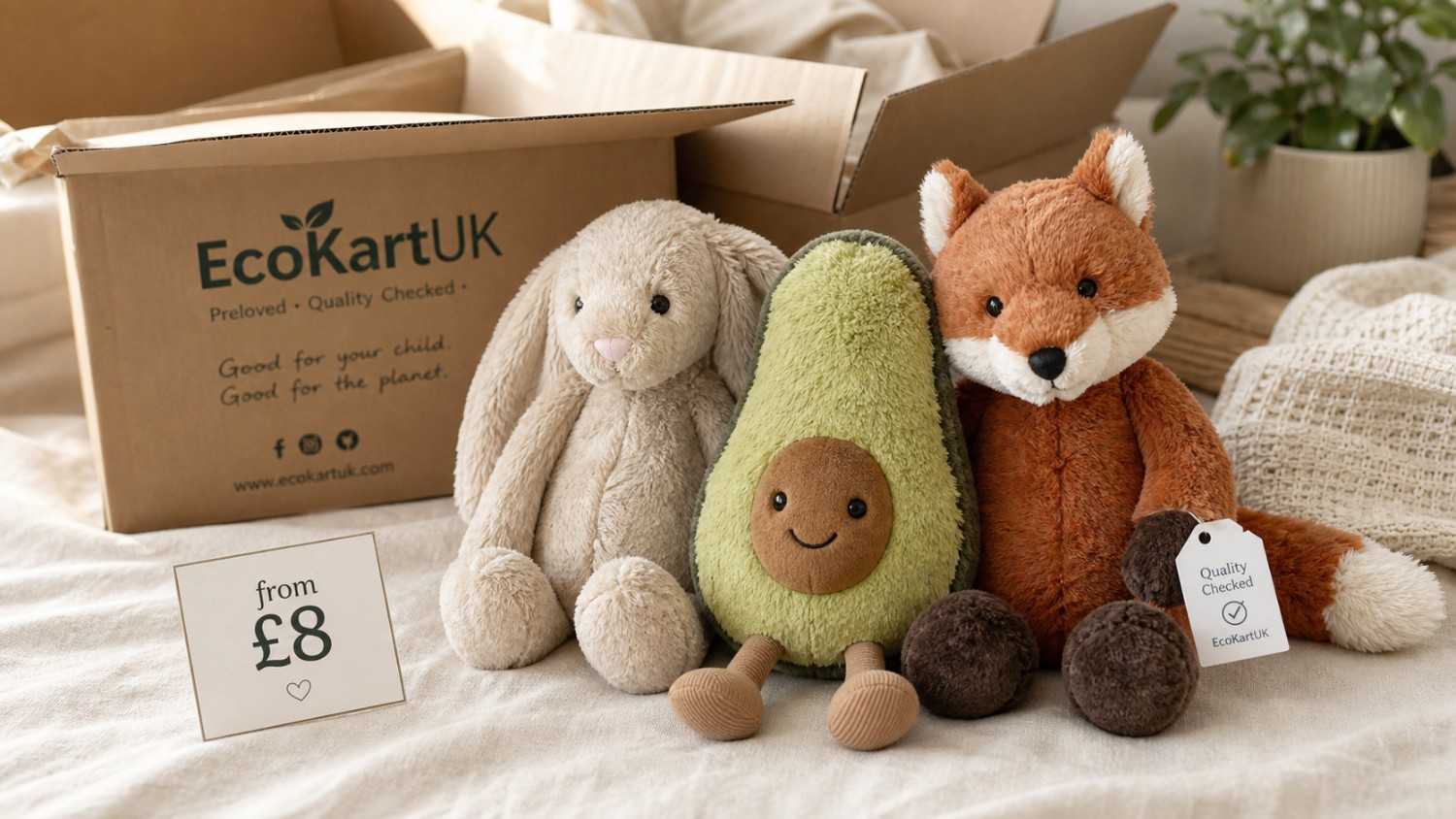
There is a deeply practical argument for buying preloved Jellycat that goes beyond price.
When you buy a preloved Jellycat in clean condition from UK's EcoKartUK, you are buying a toy that has already been:
Inspected for authenticity and condition.
Washed and sanitised before listing.
Photographed accurately to show real condition.
Graded honestly using standard condition terminology, including Very Good Condition (VGC) and Excellent.
You receive a toy that is clean, soft, safe, and accurately described. You skip the washing anxiety entirely. And you pay significantly less than new retail.
For parents worried about the washing process, buying a quality-checked preloved Jellycat that arrives already clean, fluffy, and ready to love is genuinely the most stress-free option available.
Must Read
For more guidance on finding and buying quality preloved Jellycat, these articles provide essential context:
Where to Buy Secondhand Jellycat in the UK: Safe, Genuine and Affordable Finds
Retired Jellycat Toys UK: The Complete 2026 Guide to Finding Discontinued Designs
Jellycat Near Me UK: Where to Buy in 2026 Guide
Shop Clean, Quality-Checked Preloved Jellycat at EcoKartUK: From £8
If reading this guide has given you pause about tackling the washing yourself, there is a simpler answer. EcoKartUK stocks quality-checked preloved Jellycat that arrives already clean, soft, and ready to be loved.
Every listing is inspected, washed, condition graded, and photographed accurately before going live. You know exactly what you are getting before it arrives. And you pay significantly less than new retail.
Whether you need a classic Bashful Bunny, a sought-after Amuseable design, a retired colourway that has disappeared from shops, or one of the new Summer 2026 designs that sold out before you could order, EcoKartUK is the specialist destination.
Browse the full EcoKartUK Jellycat collection today. Skip the washing worry. Give your child a Jellycat that is already clean, fluffy, and ready for its next chapter.
You Might Also Like
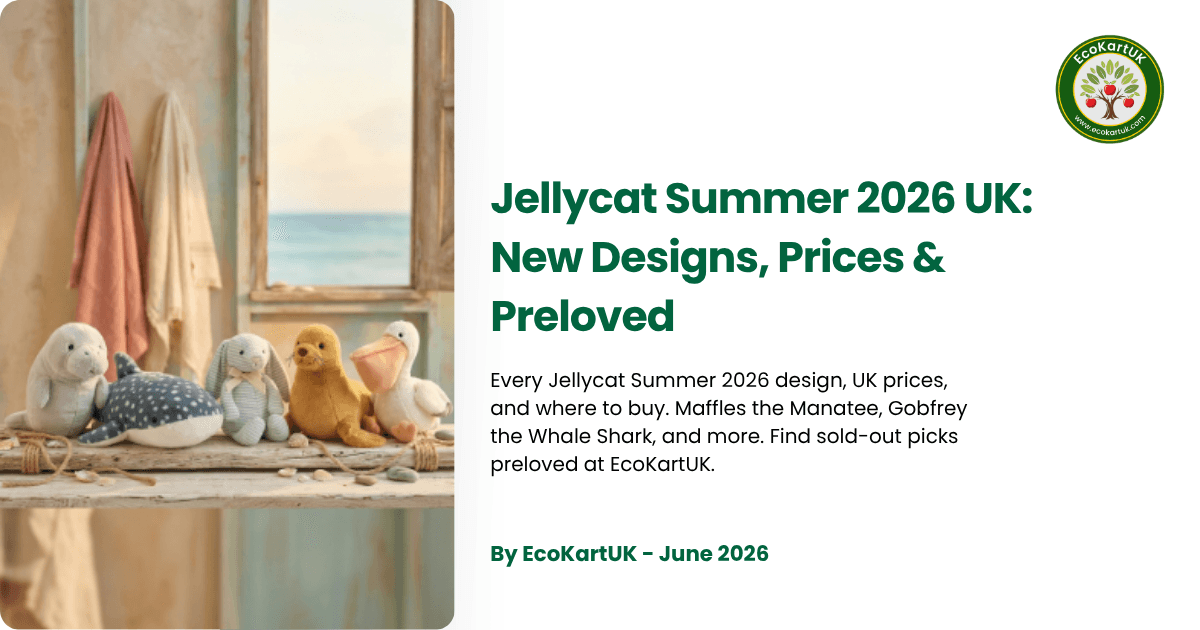
Jellycat Summer 2026 UK: Every New Design, Prices and Where to Buy Including Sold-Out Picks
Jellycat Summer 2026 designs, where to buy and UK prices. Maffles the Manatee, G...

Where to Buy Jellycat Near Me in the UK: Every Option in 2026
The Full 2026 Guide To Find Jellycat Near Me UK Compare official General Stores ...